
If the phrase “it is that time of year” from HR makes your stomach drop, you are not alone.
Most people, leaders and individual contributors, treat performance reviews like a medical procedure. You show up, you try not to flinch, you hope it is over quickly, and you leave wondering what just happened.
It does not have to be like that.
I recently sat down with leadership creator and Iowa Army National Guard leader Cassie Underwood, and we pulled apart why review season feels so heavy and what to do instead. Spoiler, the problem is not the form in your HR system. It is how we show up all year.
Why reviews feel awful
First, leaders procrastinate. A good review is time intensive. You have to read what the employee wrote, compare it to your own notes, think about where they hit or missed the mark, and then figure out how to say all of that like a human being, not a spreadsheet.
That takes energy. And surprise, review season usually hits right when everything else explodes, holidays, family stuff, year end projects, budget talks. So leaders push reviews to the bottom of the list until the only motivation left is “HR said it is due.”
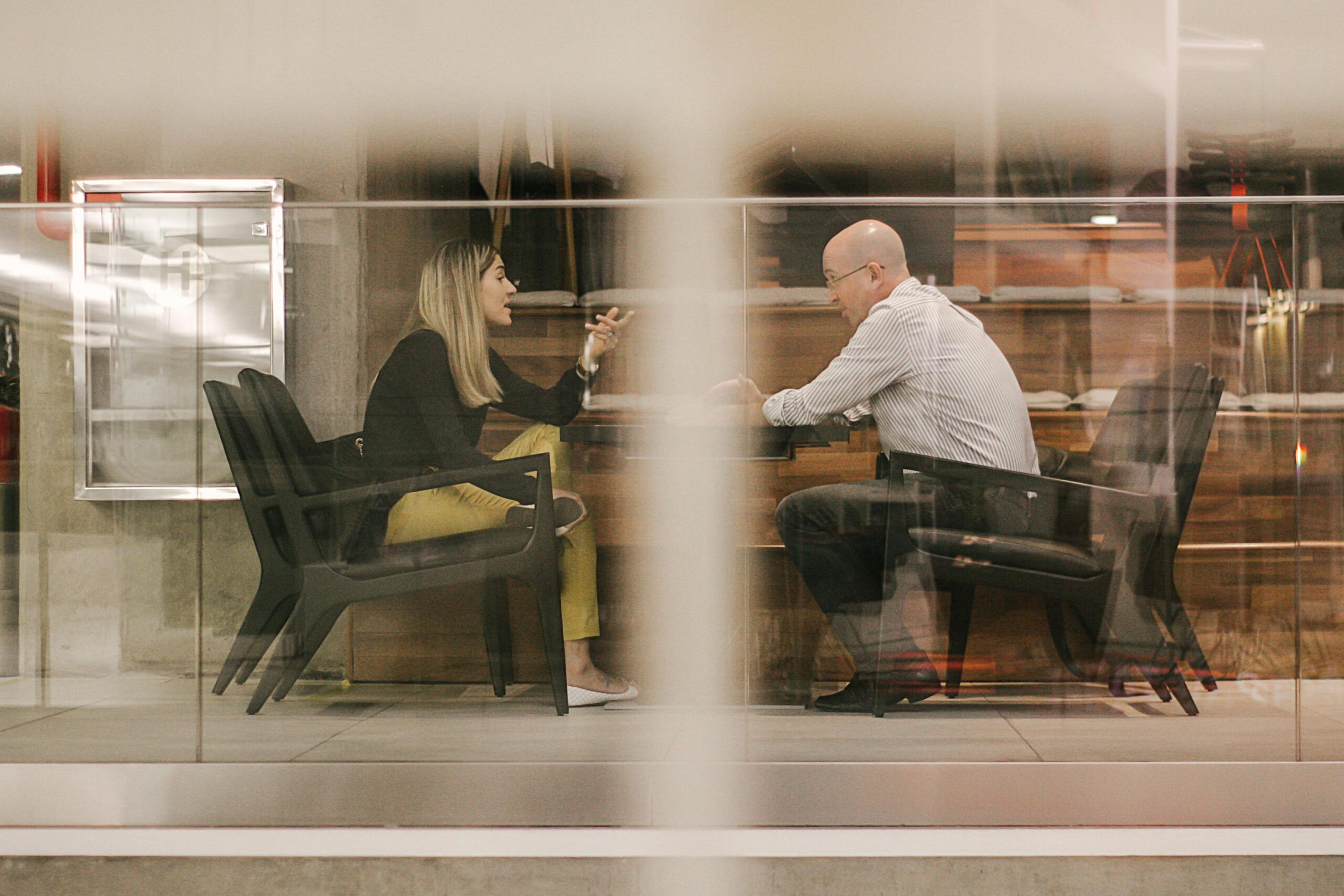
Second, there is a huge trust gap. Cassie put it perfectly, if someone is shocked in their review, you did leadership wrong all year. The review should never be a plot twist. It should feel like a summary of a conversation you have been having for months.
When leaders avoid smaller hard conversations, resentment grows in the background. The leader is stressed because they know something is off but never say it. The employee is confused because no one is giving real feedback. By the time review season hits, everyone is anxious and nobody feels safe.
What a human centered review looks like
A human centered review is not “be nice and inflate scores.” It is simple.
Tell the truth. Tailor it to the actual person in front of you. Lead with empathy, not excuses.
You still give clear, specific feedback. You still say the hard thing if they are missing expectations. You just do it in a way that respects the fact that they have a whole life outside that conference room. Layoffs, kids concerts, money stress, all of that walks into the room with them.
And here is the important part. You cannot fake that once a year. Psychological safety is built in the boring middle of the year, in one on ones, quick check ins, and those “hey, can we talk about how that meeting went” conversations.
Systems that make reviews easier
If you want better reviews, you need better systems, not more panic.
Here is what I use:
- Kudos folder Mondays. Every Monday I spend five minutes dropping any compliments, wins, or “hey, nice job” emails into a folder. It becomes my evidence vault. Great for bad days, even better for reviews.
- Win, blocker, focus. Once a week I jot down one win from last week, one blocker I am working through, and my focus for the next five days. That keeps my manager in the loop and keeps me honest about where my energy is going.
- ADD clarity on Fridays. Automate, delegate, delete. I look at my week and ask, what can I automate with tools or templates, what can I match to someone else’s strengths, and what can I simply stop doing because it is not adding value.
Cassie uses her own system with OneNote, brain dumps, weekly trackers, and a running list of completed work. The details do not matter as much as the pattern. Capture reality while it is fresh, reflect, adjust.
In the military they call it an AAR, after action review. What was supposed to happen, what actually happened, what do we sustain, what do we improve. You can do that after a project, a presentation, even a messy week.
Your one job this week
If you want to make review season feel less like a root canal, start with this: listen.
Listen in your one on ones. Listen to what is pulling your people away from their goals. Listen to what your high achievers are beating themselves up over, even when they are objectively crushing it.
You cannot control your company’s HR tool or the timing of the review cycle. You can control how you show up in those conversations. And that is where trust, growth, and real careers are built.